Seasonal Tree Care Calendar: From Spring to Winter
Month-by-Month Checklist
The following month-by-month checklist synthesizes the seasonal tasks into an actionable guide. It is essential to remember that this is a general framework and that local conditions, including climate and tree species, will influence the exact timing and necessity of each task. Observing your trees regularly and adapting the schedule accordingly is recommended.
- January–February: Perform major pruning on dormant trees, avoiding oak wilt season if applicable. Inspect for storm damage and address any immediate hazards. Check and maintain tree protection measures.
- March: Begin spring clean-up, removing winter debris and damaged branches. Conduct a thorough inspection for signs of disease or pest activity. Apply a slow-release fertilizer if soil tests indicate a need.
- April: Mulch around trees, ensuring proper depth and distance from the trunk. Monitor for early leaf spot diseases and apply appropriate preventative treatments if necessary.
- May: Continue pest monitoring and address any infestations early. Water young trees deeply as temperatures rise. Remove any weak or crossing branches that could become problematic later.
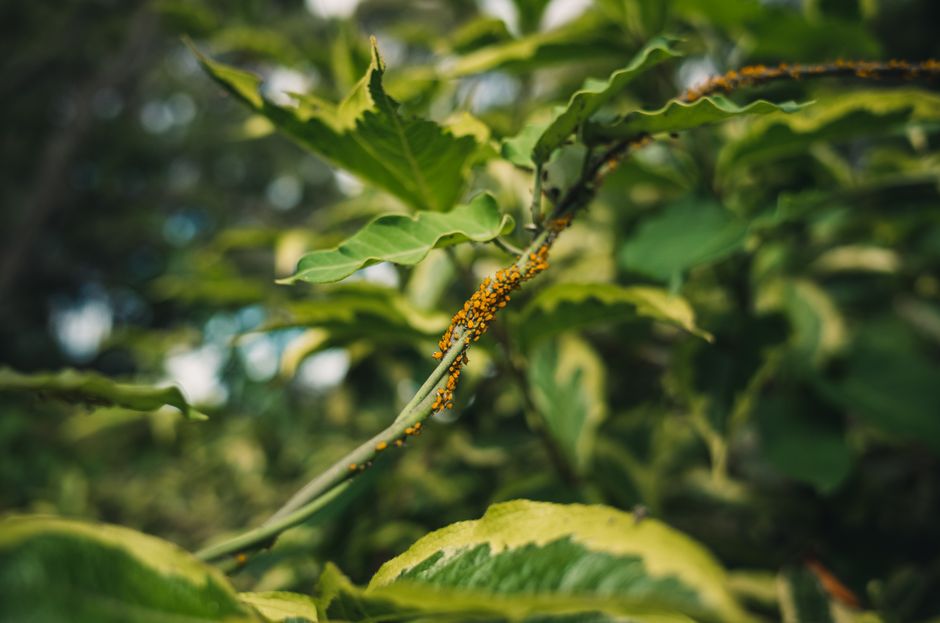
- June: Establish a deep watering schedule for periods of drought. Inspect trees for heat stress and adjust mulching as needed. Monitor for insects such as aphids and scale.
- July–August: Check trees regularly for signs of disease, especially after rain. Perform light pruning of dead wood only. Prepare for storm season by identifying hazardous branches and consulting with a professional if needed.
- September: Plant new trees, ensuring proper site selection and planting techniques. Begin to reduce fertilization frequency as trees prepare for dormancy. Consider soil testing for next year’s fertilization plan.
- October: Apply a protective layer of mulch to insulate roots. Wrap the trunks of young trees to prevent frost injury. Remove fallen leaves and debris that can harbor pests or diseases.
- November: Prune any dead or damaged branches before winter storms arrive. Inspect for decay and structural weaknesses. Ensure trees are watered thoroughly before the ground freezes if dry autumn conditions persist.
- December: Guard against winter damage by applying anti-desiccant sprays to evergreens. Monitor for snow and ice accumulation and gently brush off heavy snow. Plan for any necessary major pruning to be done later during dormancy.
Adopting a proactive year-round tree care routine can significantly enhance the resilience and aesthetic value of trees. It is important to recognize that each tree is unique and may respond differently to care practices. Therefore, flexibility and observation are crucial. Additionally, when dealing with significant issues or uncertainties, seeking the guidance of certified arborists, such as those at GreenSpire Arborists, can provide valuable expertise and ensure that appropriate methods are employed. Ultimately, the goal is to foster healthy, long-lived trees within the environment they inhabit.
“The best time to plant a tree was 20 years ago. The second best time is now.” – Chinese Proverb
By integrating these seasonal tasks into a regular schedule, tree owners can contribute to the long-term health and stability of their trees. It is a commitment that yields benefits over many years, enhancing the landscape and contributing to the natural ecosystem.