Effective Watering Techniques for Deep Root Growth
Proper watering is a fundamental aspect of tree care that significantly influences the development of root systems. When trees receive water in a manner that promotes deep root growth, they become more resilient to environmental stressors such as drought and wind. This article explores effective watering techniques, focusing on how to balance watering frequency, soil moisture levels, and seasonal adjustments to support the establishment of robust root structures. By understanding these principles, individuals responsible for tree maintenance can make informed decisions that contribute to the long-term health of their trees.
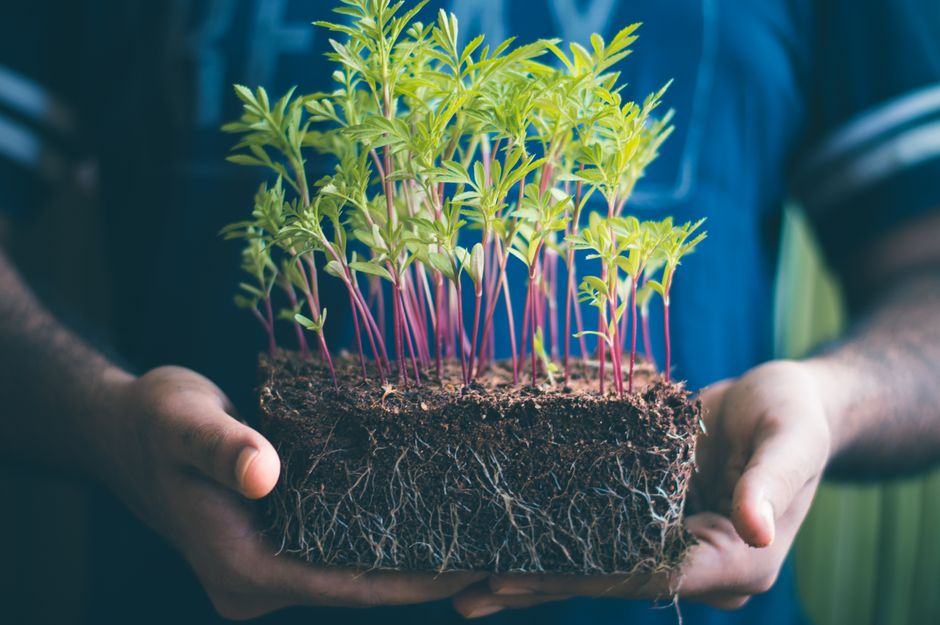
The relationship between water application and root growth is complex and varies among different tree species. Roots naturally grow toward moisture, so the way water is applied to the soil can guide root development. Shallow watering encourages roots to stay near the surface, making trees more vulnerable to drought and soil temperature fluctuations. In contrast, deep watering techniques aim to moisten the soil to greater depths, encouraging roots to grow downward and outward, creating a stable and extensive root system. This article will examine the factors that influence effective watering, including soil characteristics, tree age, and species-specific needs, and provide practical guidance for implementing proper watering practices.
Understanding Root Growth and Watering Needs
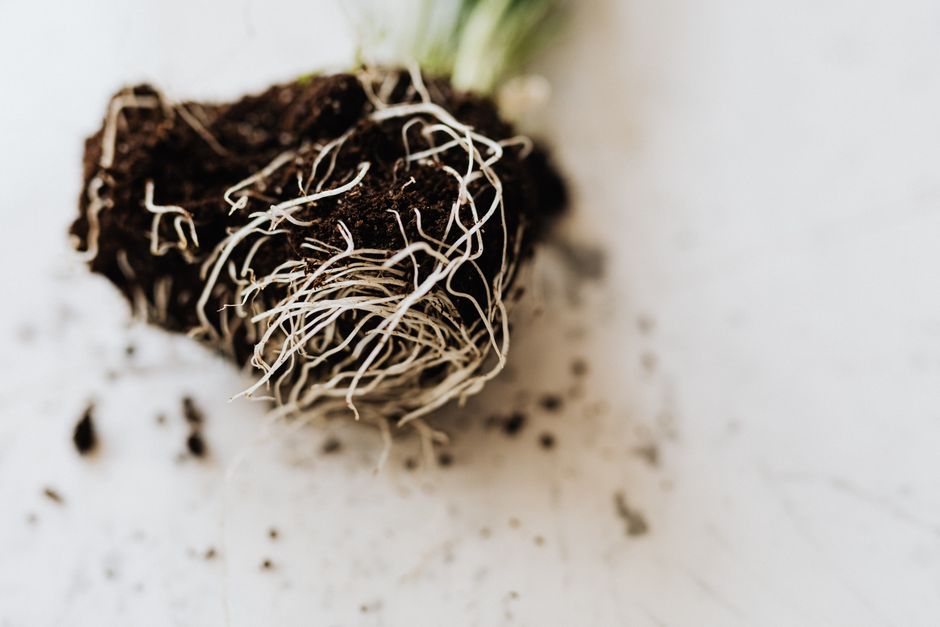
Tree roots serve multiple vital functions, including water and nutrient uptake, anchorage, and storage of reserves. The distribution and depth of roots are influenced by genetic factors and environmental conditions, particularly soil moisture availability. In many tree species, the majority of roots are found in the top 12 to 18 inches of soil, where oxygen and nutrients are most abundant. However, the depth to which roots penetrate depends on the availability of water at deeper levels. When water is supplied infrequently and deeply, roots are encouraged to grow downward to access it, resulting in a deeper root system. Conversely, frequent light watering keeps the upper soil layers moist, leading to shallow root development.
Understanding the specific watering needs of different tree species is crucial for effective irrigation. Some species, such as oaks and pines, naturally develop deep taproots, while others, like maples and willows, tend to have shallower, more fibrous root systems. Additionally, the age of the tree plays a role; young trees require more frequent watering to establish their root systems, while mature trees with extensive roots can tolerate longer intervals between waterings. Soil type also affects water availability and root growth patterns. Sandy soils drain quickly and may require more frequent watering, while clay soils hold water longer but may restrict root growth due to poor aeration. Therefore, a one-size-fits-all approach to watering is not effective, and adjustments must be made based on individual tree and site conditions.
Techniques for Deep Watering
Several methods can be employed to deliver water slowly and deeply to the root zone, encouraging roots to grow downwards. One common technique is the use of soaker hoses or drip irrigation systems, which release water at a slow rate, allowing it to penetrate the soil gradually without runoff. Placing the hose or drip line around the tree’s drip line—the area beneath the outer circumference of the branches—ensures that water is applied where roots are most active. Moving the hose periodically ensures even distribution and prevents water logging in one area.
Another effective approach is the use of deep root watering stakes or probes. These devices are inserted into the soil to a depth of 8 to 12 inches, allowing water to be delivered directly to the root zone. This method bypasses the dry surface layer and delivers water directly to the roots, promoting deeper growth. For large trees or areas with compacted soil, vertical mulching or air spading can be used to improve soil structure and water penetration. These techniques involve creating holes or channels in the soil and filling them with porous materials, such as compost or sand, to facilitate water movement and root expansion along these pathways.
When implementing deep watering techniques, it is important to consider the flow rate and duration. Water should be applied slowly enough to prevent surface pooling and runoff. A general rule of thumb is to water at a rate that allows the water to soak into the soil as it is applied, rather than puddling. For a new tree, the water may need to be applied for several hours to achieve the desired depth. Using a simple probe or soil moisture meter can help determine how deep the water has penetrated.
Frequency and Soil Moisture Management
Determining the appropriate watering frequency requires careful monitoring of soil moisture levels. The goal is to maintain soil moisture that is consistent with the tree’s needs, neither too dry nor too wet, to support optimal root growth. Overwatering can lead to oxygen depletion, root rot, and other issues, while underwatering can cause stress and reduced growth. Therefore, it is essential to check soil moisture before deciding whether to water.
One reliable method for checking soil moisture is to use a soil probe or a long screwdriver. Insert the tool into the soil; if it penetrates easily and comes out with moist soil clinging to it, the soil is sufficiently moist. If it is difficult to insert or comes out dry, watering may be necessary. Alternatively, a moisture meter can provide a numerical reading of soil moisture levels. These tools should be used to assess moisture at various depths, especially at the depth where roots are concentrated or where you want to encourage growth.
In general, newly planted trees require more frequent watering than established ones. For the first two to three years after planting, it is often recommended to water once or twice a week during the growing season, adjusting based on weather conditions and soil type. As the tree matures, the frequency can be reduced, but the amount of water applied each time should be sufficient to wet the soil deeply. For mature trees, the interval between waterings may be extended to every two to four weeks, depending on environmental conditions.
Soil moisture also plays a role in nutrient availability and microbial activity, which are essential for root health. Overly wet soils can leach nutrients, while dry soils hinder the movement of nutrients to root surfaces. Therefore, maintaining proper moisture levels is not only about water supply but also about creating an environment conducive to nutrient uptake and overall tree health.
Seasonal Adjustments for Optimal Watering
Watering needs vary throughout the year due to changes in temperature, precipitation, and tree physiology. During the growing season, typically spring through early fall, trees are actively transpiring and require more water. In contrast, during dormant periods in winter, trees have reduced water needs, and overwatering can be particularly damaging. However, in regions with hot, dry summers or mild winters, these patterns may differ, and adjustments should be made accordingly.
In the spring, as trees begin to leaf out and new growth emerges, water demand increases. This is a critical time to ensure soil moisture is adequate, especially for newly planted trees that are establishing roots. In summer, high temperatures and evaporation rates can quickly dry out the soil. It is advisable to increase watering frequency during prolonged dry spells, and to water in the early morning or late evening to reduce water loss due to evaporation. Applying a layer of organic mulch around the base of the tree can help conserve soil moisture by reducing evaporation and moderating soil temperature.
In the fall, as temperatures cool and trees prepare for dormancy, gradually reduce watering frequency. This helps trees acclimatize to the changing conditions and prevents stimulating new growth that could be damaged by frost. In winter, watering is generally necessary only during prolonged dry periods, especially if the ground is not frozen. It is also important to note that frozen soil can act as a barrier to water penetration, so watering is most effective when the soil is not frozen.
Different tree species have varying water requirements that must be considered in seasonal adjustments. For example, drought-tolerant species like junipers and yews may require less water, while moisture-loving species such as birches and dogwoods may need more frequent watering. Understanding the specific needs of the species in your care is essential for effective seasonal watering.
Special Considerations for Different Species
While the general principles of deep watering apply widely, individual tree species have unique root growth patterns and water needs. Some species are adapted to arid conditions and have deep taproots that require less frequent but deeper watering. Others are adapted to moist, rich soils and have shallow, fibrous roots that may benefit from more regular irrigation. Therefore, tailoring watering practices to the species can enhance the effectiveness of your efforts.
For example, oak trees (Quercus spp.) often develop deep taproots, making them relatively drought-tolerant once established. During the establishment phase, they benefit from deep, infrequent watering to encourage downward root growth. In contrast, maple trees (Acer spp.) typically have shallower, dense root systems that may require more frequent watering, especially during dry periods. Additionally, species with high water requirements, such as willows (Salix spp.) and sycamores (Platanus spp.), grow naturally near water sources and will need supplemental watering if planted in areas with low soil moisture.
It is also important to consider the age of the tree and its planting conditions. Urban trees often face compacted soils, limited root space, and competition from structures, all of which can affect water availability. In such cases, watering practices may need to be adapted to compensate for these challenges. Consulting with local arborists or cooperative extension services can provide valuable insights into the specific requirements of tree species in your region.
Monitoring the condition of the tree can also guide watering adjustments. Signs of water stress include wilting leaves, leaf scorch, and early leaf drop. Conversely, yellowing leaves and stunted growth may indicate overwatering. Regular inspection of the tree’s overall health and its response to watering practices can help fine-tune your approach over time.
A deep, extensive root system is a tree’s primary defense against drought and storm damage. By encouraging roots to grow deep into the soil through proper watering techniques, tree owners can enhance the stability and longevity of their trees.
Implementing a Watering Schedule
Creating a watering schedule that aligns with the principles of deep root growth involves assessing your specific tree and site conditions. A practical starting point is to water deeply and less frequently, rather than lightly and often. For established trees, a general rule is to apply enough water to soak the soil to a depth of at least 12 to 18 inches. This may require applying about 10 gallons of water per inch of trunk diameter, spread evenly over the root zone.
To determine how long to water, you can perform a simple percolation test: dig a small hole near the tree and fill it with water, then measure the time it takes for the water to drain. This will give you an idea of the soil’s drainage rate, which affects watering duration. For example, if the water drains in 10 minutes per inch, and you need to soak 12 inches, you may need to water for about two hours with a slow application method.
Using irrigation timers can help automate the process, but they should be adjusted based on rainfall and season. It is often better to water manually or use a hose with a timer to ensure you are applying water precisely. Additionally, grouping trees with similar water needs can simplify scheduling, but species-specific requirements should still be considered.
In regions with restrictions on water usage, it is essential to be mindful of local regulations and to adopt water-conserving methods such as using rain barrels or gray water systems. These practices not only support deep root growth but also promote environmental sustainability.
At GreenSpire Arborists, we emphasize the importance of tailored watering programs for each tree. Our approach includes soil analysis, species identification, and custom watering guidelines to promote healthy root development. By implementing these techniques, tree owners can contribute to the long-term health and beauty of their landscape trees.