When and How to Prune Fruit Trees for Better Harvest
Pruning fruit trees is a fundamental practice in orchard management and home gardening. The timing and technique of pruning directly influence tree health, fruit production, and overall structure. While many growers recognize the importance of pruning, the specific methods and schedules can vary based on tree species, climate, and age. This guide provides a comprehensive overview of when and how to prune fruit trees, focusing on branch selection, types of cuts, and post-pruning care.
Effective pruning is not a one-size-fits-all process. It requires an understanding of tree biology and the goals of the orchardist. By removing certain branches, a grower can redirect the tree’s energy towards fruit-bearing wood, improve air circulation, and reduce the risk of disease. However, improper pruning can lead to reduced yields, sunburn, or increased susceptibility to pests. Therefore, it is essential to approach pruning with a clear plan and knowledge of the underlying principles.
Understanding the Optimal Pruning Window
The timing of pruning is crucial for the health and productivity of fruit trees. Most deciduous fruit trees are best pruned during the dormant season, typically in late winter or early spring before new growth begins. This period minimizes stress on the tree, as it is not actively growing, and allows cuts to heal before the rush of spring growth. Dormant pruning is particularly beneficial for trees that are susceptible to fungal diseases, as it reduces the chance of infection spread by rain or insects.
However, there are exceptions. Stone fruits, such as peaches and cherries, are often pruned in late winter to reduce the risk of silver leaf disease, which is more prevalent when pruning is done in early winter. Conversely, some growers prefer summer pruning for certain purposes, such as controlling tree size or removing water sprouts. The optimal window also depends on the local climate; in warmer regions, the window may start earlier, while in colder areas, wait until the harshest cold has passed to avoid frost damage to freshly cut wood.
Ultimately, the decision of when to prune should be based on the specific species, regional weather patterns, and the tree’s growth stage. Observing the tree’s condition and consulting local agricultural extensions can provide valuable guidance. The key is to prune at a time that promotes rapid healing and aligns with the tree’s natural growth cycle.
Selecting Branches for Removal
Branch selection is a critical step in the pruning process. The goal is to create a well-balanced canopy that allows sunlight penetration and air movement, which are essential for fruit development and disease prevention. When examining a tree, start by identifying the central leader (if present) and main scaffold branches. Remove any branches that are crossing, rubbing, or growing inward, as they can cause wounds and invite pests.
Another consideration is the angle of branches. Ideally, branches should grow at a 45-60 degree angle from the trunk. Branches with a narrow crotch angle (less than 30 degrees) are prone to breakage under heavy fruit loads, so they may be removed or spread to achieve a wider angle. Conversely, branches with a very wide angle (near horizontal) may be weak and should be shortened or removed if they are not productive.
It is also important to remove dead, diseased, or damaged wood. These are prime entry points for pathogens and can harbor insects. Regular inspection and removal of such branches not only improve the tree’s appearance but also its overall vitality. When removing a branch, make a clean cut just outside the branch collar (the swollen area where the branch meets the trunk) to facilitate proper healing.
Implementing Proper Cut Techniques
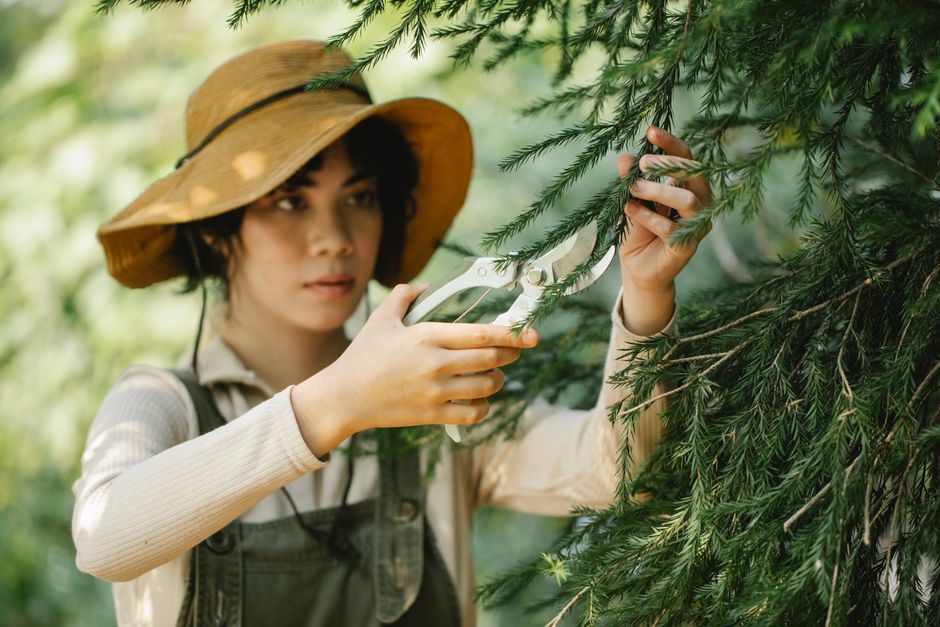
The type of cut used can significantly affect the tree’s response. There are two main types of cuts: thinning cuts and heading cuts. Thinning cuts remove a branch back to its point of origin, either the trunk or a larger branch. This type of cut does not stimulate excessive regrowth and is used to open the canopy or remove problematic branches. Heading cuts remove only a portion of a branch, typically just above a bud. This encourages branching and is often used to shape young trees or to promote fruiting wood on older trees.
For thinning cuts, always use a sharp, clean saw to make a smooth cut. Avoid leaving stubs, as they can encourage rot and pest problems. For heading cuts, choose a bud that faces the direction you want the new growth to go. Cut at a slight angle, about ¼ inch above the bud, sloping away from the bud to allow water to run off.
In addition to the basic cuts, there are also specialized techniques such as notch pruning or drop-crotching, but these are less common. The key is to use the appropriate cut for the intended outcome. Over-pruning, regardless of technique, can stress the tree and reduce yields, so it is better to err on the side of caution and remove only what is necessary.
Aftercare and Maintenance
After pruning, proper aftercare is essential to support the tree’s recovery and future growth. One of the first steps is to clean up and dispose of pruned branches, especially if there are signs of disease. This prevents the spread of pathogens to other parts of the orchard. If large branches were removed, consider sealing the cut with a pruning sealant, though modern research suggests that this may not be necessary and can sometimes hinder healing. The best practice is to allow the tree to seal wounds naturally.
Watering is particularly important after pruning, especially if the cut was significant. Trees may need extra moisture to support new growth and heal. However, avoid overwatering, as this can lead to root rot. Fertilizing should be minimal immediately after pruning; it is better to wait until the tree shows signs of new growth. A balanced fertilizer applied in early spring can support the flush of growth, but always follow soil test recommendations.
Monitoring the tree for pests and diseases after pruning is also recommended. Pruning opens the canopy, which can expose the tree to more sunlight and insects. Regular inspection can help catch any issues early. Additionally, it is important to continue regular pruning in subsequent years to maintain the desired shape and productivity. Pruning should be an ongoing practice, not a one-time event.
Common Mistakes and How to Avoid Them
Many growers, especially novices, make mistakes that can harm their trees. One common error is over-pruning, removing too much foliage in a single season. This can stress the tree, reduce fruit production, and make it more vulnerable to sunburn. A good rule of thumb is to remove no more than 25-30% of the live canopy in a year. If more drastic pruning is needed, spread it over several seasons.
Another mistake is pruning at the wrong time. Pruning too early in the fall can stimulate new growth that will be damaged by frost, while pruning too late in spring can be stressful. Following the species-specific guidelines and local climate is essential. Also, many people make cuts in the wrong location, either leaving a long stub or cutting too close to the trunk, both of which can impede healing.
Finally, using dull or dirty tools can cause tears and spread diseases. Always ensure your pruning tools are sharp and disinfected, especially when moving between trees. Taking the time to learn proper techniques and avoiding these common pitfalls will lead to healthier trees and better harvests.
Pruning is both a science and an art. It requires patience, observation, and a willingness to adapt to the unique needs of each tree. By understanding the timing, branch selection, and aftercare, growers can foster robust fruit production.
Integrating Pruning into Overall Orchard Management
Pruning does not exist in isolation; it is a component of a comprehensive orchard care routine. Factors such as soil health, irrigation, pest control, and pollination all influence the effectiveness of pruning. For instance, a tree that is well-nourished and properly watered will respond more vigorously to pruning than a stressed tree. Therefore, it is advisable to assess the entire growing environment when planning pruning activities.
Moreover, pruning strategies may vary depending on the training system used, such as central leader, open center, or espalier. Each system requires different pruning approaches to maintain structure and maximize fruiting. Consulting with local experts or using resources from agricultural extension services can provide region-specific advice. In the United States, various states have orchard guides that outline pruning schedules for different fruit crops, which can be invaluable references.
In conclusion, pruning fruit trees is a nuanced practice that, when done correctly, can significantly enhance tree health and yield. By understanding the optimal timing, mastering branch selection and cut techniques, and providing proper aftercare, growers can set the stage for abundant harvests. It is a skill that improves with experience and learning from both successes and failures. As with any agricultural practice, staying informed and adaptable is key.